|
posted Sunday, 15 June 2025, 21:30 (+0800), by Martin

the apprentice checking the camera setup
Canon EOS 50D, 24-105mm f/4L IS @32mm, 1/640 sec, f/5.6, ISO320
While shooting some photos of our family yesterday, one of our grandsons walked off,
so my son-in-law held him in front of the camera to show him what to look at.
I kept clicking away with my
Plato remote, and captured this great shot!
posted Sunday, 21 May 2023, 14:20 (+0800), by Martin
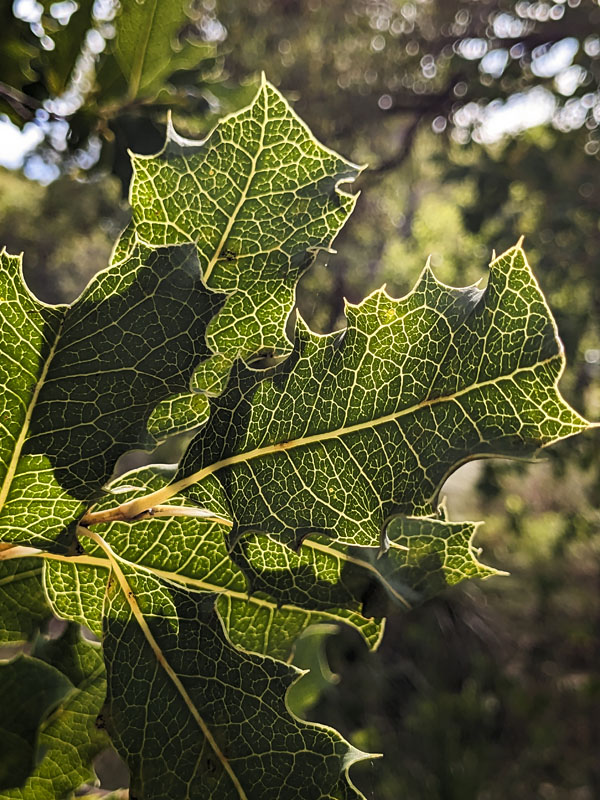
back-lit leaves
Bob Blackburn Reserve, Seville Grove, Western Australia
Google Pixel 6A
I have mentioned it before - the best camera is the one that's with you (originally attributed to Chase Jarvis).
Like most people, I have a mobile phone in my pocket most of the time, but the camera on my previous phone
was very disappointing.
After recently switching to a Google Pixel 6A, the image quality from the Pixel's camera is far superior,
so I am looking forward to using my phone for more photography in the future.
posted Monday, 26 April 2021, 14:13 (+0800), by Martin
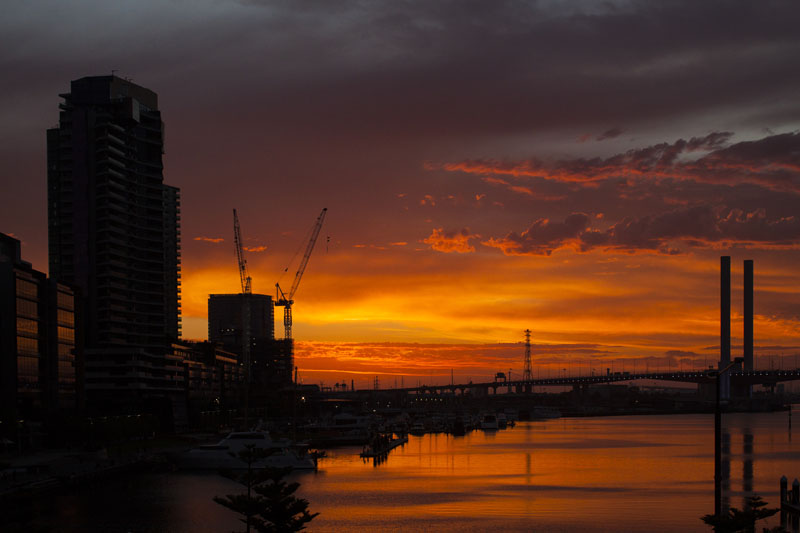
Docklands Sunset
Docklands, Melbourne, Victoria, Australia
Canon EOS 50D, 35mm f/2 @35mm, 1/160 sec, f/9, ISO400
Here's a flashback to a fantastic sunset at Docklands, in Melbourne, Victoria, from January 2018,
when interstate travel was normal.
Covid has had a big impact on everyone's lives, and while we have been lucky in Western Australia to have been minimally impacted,
a snap 3-day lockdown over this long weekend is another reminder of the potential impact that it can and will have
on our daily lives.
posted Friday, 08 January 2021, 14:43 (+0800), by Martin
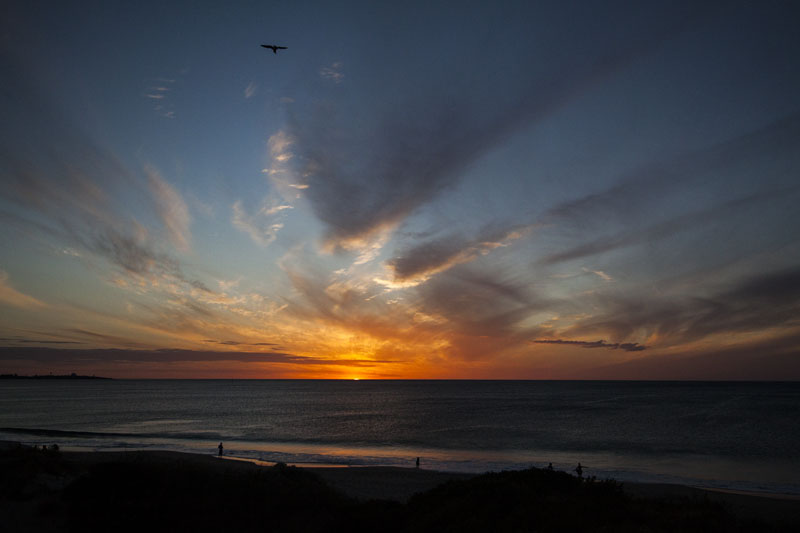
Madora Bay beach sunset - 2 January
Canon EOS 50D, 10-22mm @22mm, 1/500 sec, f/5.6, ISO800
While on holidays recently near Mandurah, our accommodation was within walking distance of Madora Bay beach,
and I made the most of the opportunity to photograph the sunset at the beach on multiple days.
The first three sunsets of 2021 were all amazing.
My favourite of the three is the photo above, from 2nd January,
and the photos below are from 1st and 3rd January.
posted Sunday, 18 October 2020, 22:10 (+0800), by Martin
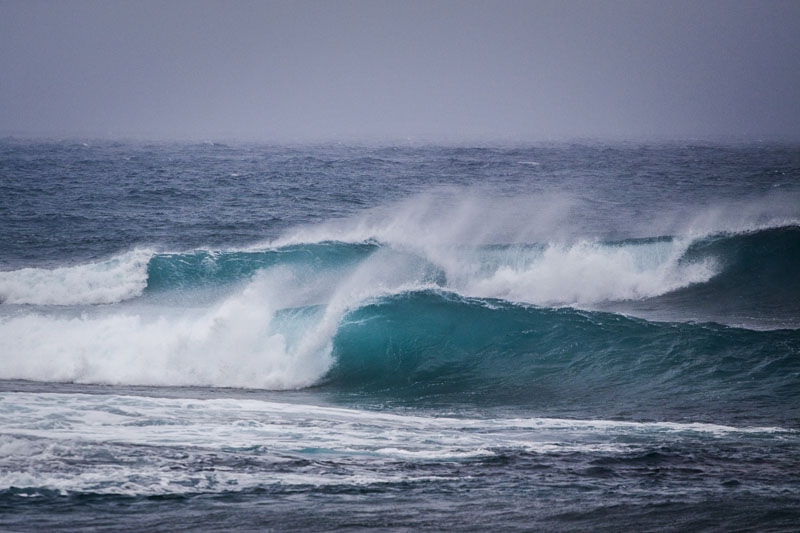
waves and wind
Canon EOS 50D, 70-200mm f/4L @200mm, 1/1600 sec, f/4, ISO200
While holidaying in Kalbarri recently (about 6 hours north of Perth), I took the opportunity
to photograph the waves and surfers at Jake's Point one afternoon.
The weather had been sunny and fine most of the week, but one afternoon
we had wild, wet and windy weather. That makes for some great waves, which in turn makes for some
great surfing action.
Jake's Point in Kalbarri is a left-handed break that allows spectators to be very close to the surfing action.
With a 200mm lens on a crop body, I was able to capture the action, and spent an hour or two in
light drizzle watching the surfers.
posted Sunday, 11 October 2020, 14:05 (+0800), by Martin

Hutt Lagoon aka the pink lake
Yallabatharra, Western Australia
Canon EOS 50D, 10-22mm @10mm, 1/250 sec, f/8, ISO100
A number of years ago, while travelling in the state of Victoria, we visited a pink lake, and were sorely disappointed
to find it didn't have any pink colour at all.
While travelling to Kalbarri a couple of weeks ago for a holiday, we stopped at Hutt Lagoon,
which is near Port Gregory, to have a look at another pink lake.
This time we were not disappointed - the colour was amazing to look at.
The colour is due to a caroteinoid-producing algae called dunaliella salina, which exists in salty water,
and produces beta-carotene.
A BASF processing plant on the other side of the lake harvests the beta-carotene, which is used
in cosmetics and in dietary supplements, as it is a food-colouring agent and a source of vitamin A.
If you are ever in the area, it is worthwhile having a look - although the colour does vary seasonally, and is dependent on the sun lighting.
posted Saturday, 20 June 2020, 22:32 (+0800), by Martin
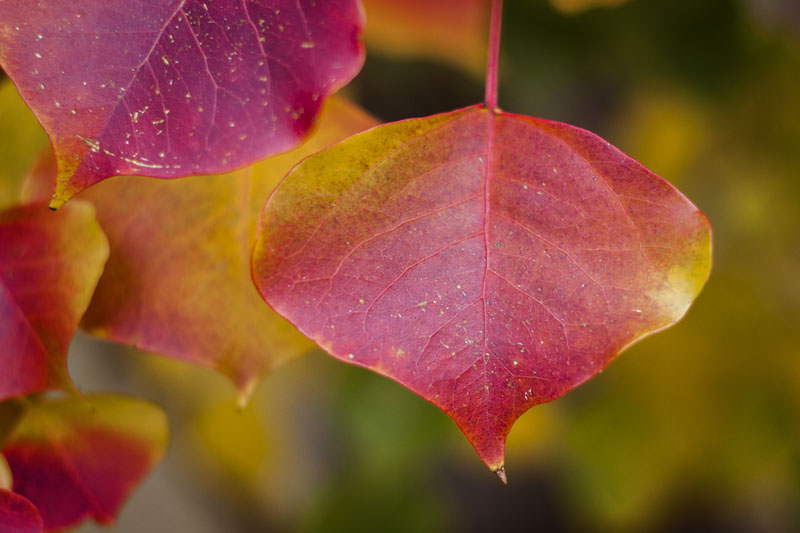
autumn colours
Chinese Tallowtree (Triadica Sebifera)
back yard at home, Western Australia
Canon EOS 50D, Asahi Pentax SMC Takumar 50mm f/1.4 @50mm, 1/400 sec, f/2, ISO100
Autumn is one of my favourite times of the year. I love the weather, and I love the changing colours of the trees.
We have a large Chinese Tallowtree in the back yard, and my office window looks out onto this tree.
Working at home for the last 14 weeks (due to Covid-19 restrictions) has allowed me to observe the tree much more closely than I normally would,
and I have really enjoyed watching the colours change.
This photo is from two weeks ago, when there were still a lot of leaves of various colours on the tree.
The tree is now almost completely bare.
This photo was taken with an old manual-focus Asahi Pentax SMC Takumar 50mm lens converted to Canon EF mount that I bought from a friend some time ago.
posted Sunday, 01 December 2019, 21:30 (+0800), by Martin
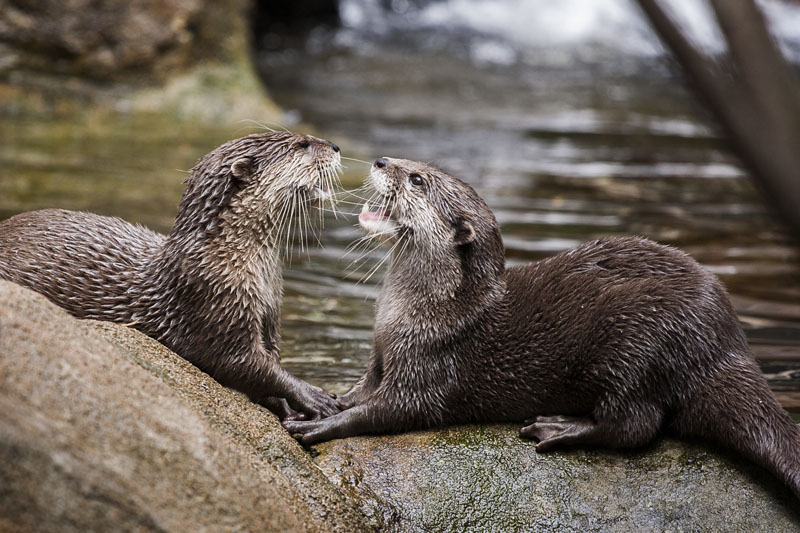
hungry otters
Perth Zoo, Western Australia
Canon EOS 350D, 70-200mm f/4L @200mm, 1/320 sec, f/4, ISO400
It can be worthwhile to re-visit old photos, as it allows you to find photos that you didn't previously post-process,
as well as giving you an opportunity to have another go at post-processing.
Over the years, I've improved my post-processing and learnt a lot of new techniques, so I will often approach the
post-processing differently now than how I would have years ago.
These Asian Small-clawed Otters at the Perth Zoo were photographed just over 12 years ago, in 2007,
using a Canon 350D DSLR and the Canon EF 70-200mm f/4L.
The 8 megapixel 350D was released in 2005, and I bought it new in May 2006 and used it for a few years before
upgrading to a Canon 50D.
I originally post-processed some of these photos in 2007,
and the three photos in this post are the result of re-editing the photos.
Do you ever browse through your old photos, looking for photos that you haven't previously post-processed,
or photos that you might want to re-edit?
posted Sunday, 20 October 2019, 14:06 (+0800), by Martin

Canon EOS 50D, 24-105mm f/4L IS @105mm, 1/500 sec, f/6.3, ISO100
Here are a few more photos from a visit to Lesmurdie Falls last week.
I really enjoy looking for different wildflowers, and photographing them.
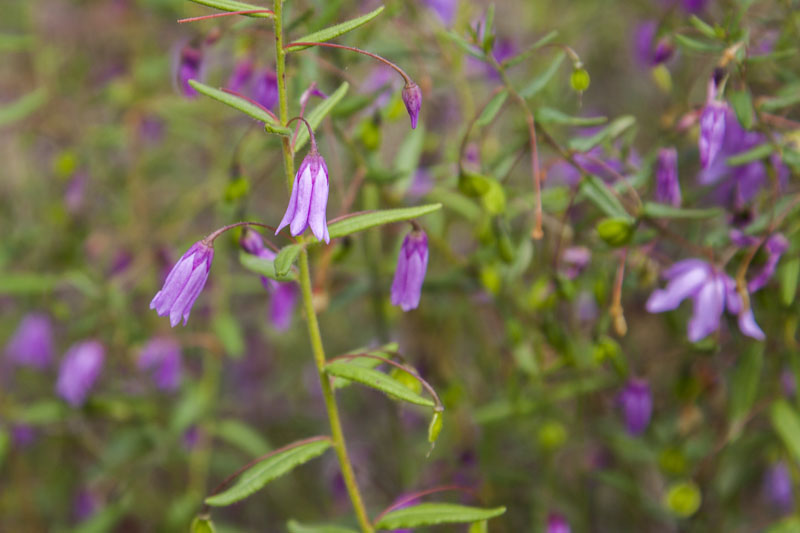
Canon EOS 50D, 24-105mm f/4L IS @65mm, 1/60 sec, f/5.6, ISO100
|
|


